Summer activity that can harm your teeth – Summer has a way of pulling us outdoors. The days are longer, the weather is warmer, and everyone seems a little more relaxed. Kids are out of school, families plan vacations, and weekends fill up with pool parties, road trips, and backyard fun. Most people think summer is a break for the body and mind—but your teeth don’t always get that same break.
There’s one common summer activity that surprises a lot of people when they learn how harmful it can be for their smile. It’s not candy, and it’s not even soda. It’s something many of us enjoy without thinking twice. Let’s talk about how it affects your dental health, why it’s risky, and what you can do to protect your teeth while still enjoying the season.
The Unexpected Culprit: Constant Snacking on Ice
Chewing ice feels harmless. It’s cold, refreshing, and seems like a better choice than sugary snacks. During summer, people chew ice constantly—after drinks, during long drives, or while sitting by the pool trying to cool off. But here’s the truth: chewing ice is one of the most damaging habits for your teeth.
Your teeth are strong, but they aren’t designed to crush something as hard as ice repeatedly. Over time, biting down on ice can create tiny cracks in your tooth enamel. These cracks may not hurt right away, which is why people keep doing it. But eventually, those small fractures can grow into serious problems like chipped teeth, broken fillings, or even painful cracks that require dental treatment.
Why Summer Makes This Habit Worse
In warmer months, dehydration is more common. When your body is low on fluids, you naturally crave cold things. Ice becomes an easy fix. Add summer drinks filled with ice, and suddenly you’re chewing ice several times a day without realizing it.
Another issue is boredom. Summer schedules are looser, and people snack more casually. Ice chewing becomes a mindless habit, especially during road trips, outdoor events, or long workdays trying to stay cool. Unfortunately, this repeated pressure puts unnecessary stress on your teeth and jaw.
How Ice Chewing Affects Your Teeth Over Time
The damage from chewing ice doesn’t usually happen all at once. It builds slowly. Repeated pressure weakens enamel, making teeth more vulnerable to tooth sensitivity and decay. If you already have fillings or crowns, ice can loosen or crack them.
Ice chewing can also irritate your jaw joint, leading to discomfort or TMJ issues. Some people notice jaw soreness or headaches but don’t connect it to their ice habit. Over time, the damage may require treatments like dental bonding, crowns, or even root canals.
Dentists often see an increase in cracked teeth during summer, and ice chewing is a big reason why. At Vue Dental Kyle, this is one of the most common habits patients are surprised to learn is harming their smile.
Summer Drinks Add to the Problem
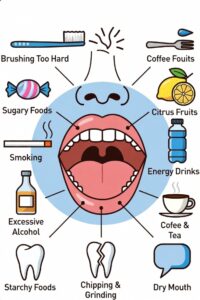
Ice isn’t the only issue. Many summer beverages—like lemonade, sports drinks, iced tea, and flavored waters—are highly acidic. Acid weakens enamel, and when you chew ice right after sipping these drinks, your teeth are even more vulnerable.
This combination of acid erosion and physical pressure is especially damaging. Your enamel softens from the acid, then the ice delivers the force that causes cracks or chips. Even sugar-free drinks can be acidic enough to weaken enamel over time.
Signs Your Teeth May Already Be Affected
Some people don’t realize there’s a problem until symptoms appear. You might notice sharp pain when biting, sensitivity to cold foods, or rough edges on your teeth. Small chips can feel like nothing at first, but they create openings for bacteria, increasing the risk of tooth decay.
If you experience sudden sensitivity or pain after chewing ice, it’s a sign your teeth are under stress. Ignoring these signals often leads to more complex dental issues down the road.

Breaking the Ice-Chewing Habit
The first step is awareness. Once you realize how damaging ice chewing can be, it becomes easier to stop. Staying hydrated helps reduce the urge to chew ice. Drinking more water throughout the day keeps your mouth moist and your body cool without risking your teeth.
If you enjoy the cold sensation, try sipping chilled water without ice or using a straw to limit contact with your teeth. Sugar-free gum can also help keep your mouth busy without causing damage.
If ice chewing feels compulsive, it may even be linked to iron deficiency or stress. In that case, mentioning it to your dentist or physician can help uncover underlying issues.
Why Regular Dental Checkups Matter in Summer
Summer is often when routines slip. People travel, kids are out of school, and dental appointments get postponed. But this is exactly when preventive dental care matters most. Regular checkups allow your dentist to catch early signs of cracks, enamel wear, or damage before they become painful or expensive problems.
A professional cleaning also removes plaque and strengthens enamel, helping your teeth better withstand seasonal habits. Dentists can offer personalized advice based on your lifestyle, especially if summer activities are putting extra stress on your smile.
At Vue Dental Kyle, patients are often reminded that small habits can have a big impact on long-term oral health. Catching damage early can save time, discomfort, and cost later.
Enjoy Summer Without Sacrificing Your Smile
Summer activity should be fun, relaxing, and full of good memories—not dental emergencies. You don’t have to give up cold drinks or outdoor activities to protect your teeth. You just need to be mindful of habits that seem harmless but aren’t.
Chewing ice may feel refreshing, but it quietly wears down your teeth. By staying hydrated, choosing smarter alternatives, and keeping up with dental visits, you can enjoy everything summer has to offer while keeping your smile strong.
If you’re unsure whether your summer activity habits are affecting your teeth, a quick dental check can give you peace of mind. Protecting your smile today means fewer surprises tomorrow—and that’s something worth smiling about.