Most people think oral health depends only on brushing, flossing, and regular dental checkups. But there is another powerful factor that many overlook—sleep. The quality of your sleep affects your mouth more than you realize. Poor sleep can lead to issues like dry mouth, tooth grinding, gum inflammation, and even cavities. Today, more dental professionals, including teams at modern clinics such as Vue Dental Kyle, are educating patients about this surprising connection. Understanding how sleep impacts your teeth and gums can help you protect your long-term oral health.
How Sleep Influences Your Mouth
When you sleep, your body enters a healing and recovery mode, and your mouth is part of this process. During deep sleep, saliva production slows down, which can allow bacteria to grow faster. Saliva is important because it washes away food particles and neutralizes acids. When saliva levels drop, your teeth become more vulnerable. Sleep also controls your immune response. A lack of deep, restful sleep can weaken your body’s ability to repair gum tissue and fight oral infections.
Common Sleep Problems That Affect Oral Health
1. Mouth Breathing
Sleeping with your mouth open reduces saliva flow and causes dryness. This leads to bad breath, cavities, and gum irritation.
2. Snoring
Snoring often causes mouth breathing, which increases the risk of enamel damage and gum problems.
3. Sleep Apnea
Sleep apnea forces you to pause breathing during sleep. This can cause morning headaches, jaw tension, and dry mouth. Dentists often identify signs of sleep apnea during routine exams, and many clinics like Vue Dental Kyle have experience detecting these symptoms early.
4. Bruxism (Teeth Grinding)
Many people grind their teeth at night without realizing it. Grinding can cause tooth fractures, worn enamel, TMJ pain, and morning headaches. Poor sleep quality makes grinding even worse.
Signs Your Mouth Shows When You’re Not Sleeping Well
Your teeth and gums often reveal when your sleep is poor. Look for these symptoms:
-
Worn-down or flattened teeth
-
Cracked or chipped teeth
-
Increased tooth sensitivity
-
Dry mouth in the morning
-
Bleeding or swollen gums
-
Persistent bad breath
-
Jaw pain or clicking sounds
-
Morning headaches
These warning signs indicate your mouth is stressed overnight, and it’s important to address the root cause.
Sleep Apnea and Its Dental Impact
Sleep apnea is one of the most serious sleep disorders affecting oral health. When the airway becomes blocked, your body struggles to breathe, causing stress on the jaw, throat, and mouth. People with sleep apnea often clench their teeth to regain airflow, leading to grinding and jaw fatigue. Restricted airflow can also dry out the mouth, making teeth more prone to decay. Dentists can identify signs like red throat tissue, scalloped tongue edges, or worn molars—all of which suggest sleep apnea.
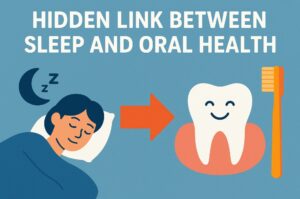
How Poor Sleep Affects Oral Bacteria
Bad sleep doesn’t just make you tired; it can also increase harmful bacteria in your mouth. When you don’t sleep well:
-
Inflammation increases, which harms gum tissue
-
Saliva production decreases, allowing plaque to build up
-
Healing slows down, making gum disease harder to control
-
Cavities develop faster
Good sleep is essential for keeping the balance of bacteria in your mouth healthy.
How Dentists Detect Sleep-Related Issues
Dentists use several methods to check for sleep-related oral problems:
-
Examining wear patterns on teeth
-
Checking jaw alignment and movement
-
Evaluating tongue position and airway space
-
Looking for signs of gum irritation
-
Asking about morning headaches or jaw pain
Some dental clinics now include sleep screening steps during routine checkups. A dentist at Vue Dental Kyle might recommend a sleep study, night guard, or additional evaluation depending on your symptoms.

How to Protect Your Oral Health by Improving Your Sleep
Here are simple steps to support both your sleep and your oral health:
-
Maintain a consistent sleep schedule
-
Avoid sugary foods before bedtime
-
Stay hydrated throughout the day
-
Sleep with your mouth closed by improving nasal breathing
-
Use a night guard to reduce grinding
-
Keep your bedroom cool, dark, and quiet
-
Avoid caffeine at night
-
Consider a humidifier if you wake up with dry mouth
-
Seek dental advice if symptoms continue
These habits help your body rest properly and protect your gums and enamel.
Frequently Asked Questions
1. Can lack of sleep cause gum disease?
Yes. Poor sleep increases inflammation, making gums more likely to bleed or become infected.
2. Is nighttime teeth grinding dangerous?
If ignored, it can cause cracked teeth, jaw pain, and enamel loss.
3. Does sleep affect cavities?
Yes. Dry mouth during sleep increases bacteria growth and acid levels.
4. Can a dentist really detect sleep problems?
Absolutely. Dentists notice patterns in your teeth and jaw that signal sleep disorders.
5. What if I always wake up with a dry mouth?
This is a sign of mouth breathing and should be checked by a dentist or sleep specialist.
Conclusion
Sleep plays a much bigger role in oral health than most people realize. Poor sleep habits and untreated sleep disorders can lead to gum issues, cavities, grinding, and long-term dental problems. By understanding the connection and paying attention to symptoms, you can take control of your oral health and improve your overall well-being. Prioritizing good sleep is not just beneficial—it’s essential for a healthy smile.