Most people don’t spend much time thinking about their bite—until something starts feeling off. Maybe your jaw feels sore after eating, or you’ve noticed certain teeth wearing down faster than others. Sometimes it starts with headaches, tension in the face, or even a clicking sound when opening your mouth. These little signs may not seem connected at first, but they can all point to one issue: a misaligned bite.
Your bite affects more than just how your teeth come together. It influences the way you chew, speak, and even how your jaw muscles function every day. When your bite is not balanced properly, it can create stress on your teeth and jaw over time. The good news is that recognizing the signs early can help prevent more serious dental problems later.
What Does a Misaligned Bite Mean?
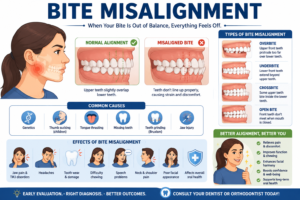
A bite misalignment happens when your upper and lower teeth do not fit together the way they should. Dentists often call this a “malocclusion.” In some cases, the issue is obvious, like crooked teeth or an uneven smile. Other times, it’s much more subtle and develops slowly over the years.
A misaligned bite can happen for many reasons. Teeth grinding, jaw injuries, missing teeth, aging dental work, or even natural jaw development can all affect how your teeth meet. Some people are born with bite problems, while others develop them later due to wear and tear.
The tricky part is that many people live with bite issues for years without realizing the discomfort they feel is connected to their teeth.
Jaw Pain That Keeps Coming Back
One of the most common signs of a bad bite alignment is recurring jaw pain. You may notice soreness when chewing, talking for long periods, or waking up in the morning.
When your bite is uneven, your jaw muscles have to work harder to compensate. Instead of moving naturally, the muscles strain to keep everything functioning properly. Over time, this extra pressure can lead to discomfort around the jaw joints, also known as the temporomandibular joints.
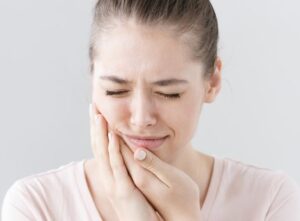
Some people describe it as a dull ache, while others feel tension near the ears or along the sides of the face. If the pain keeps returning without a clear reason, your bite may be contributing to the problem.
Frequent Headaches and Facial Tension
Many people are surprised to learn that bite problems can trigger headaches. When the jaw muscles are constantly under stress, that tension can spread into the temples, neck, and even shoulders.
These headaches often feel different from regular migraines. They may appear after chewing, clenching your teeth, or waking up after grinding during sleep. Some people also notice facial fatigue, especially later in the day.
Because headaches can have many causes, bite alignment issues are often overlooked. But when dental stress affects the jaw muscles every day, the discomfort can become hard to ignore.
Teeth That Wear Down Unevenly
Your teeth are supposed to share pressure evenly when you bite and chew. When your bite is off, certain teeth end up carrying more force than others.
Over time, this can lead to uneven enamel wear, small chips, flattening edges, or even tiny cracks in the teeth. If one side of your mouth feels like it works harder than the other, that’s another clue something may not be aligned properly.
Dentists often spot these signs during routine exams. Excessive wear patterns are one of the strongest indicators that a patient may need a bite adjustment treatment.
At Vue Dental Kyle, many patients come in concerned about tooth sensitivity or worn teeth, only to discover that an uneven bite has been putting extra pressure on specific areas for years.
Clicking or Popping in the Jaw
A jaw that clicks occasionally may not always be serious, but frequent popping or grinding sounds can signal that the jaw joint is under stress.
When the bite doesn’t align properly, the jaw may shift slightly every time you open or close your mouth. This repeated movement can strain the joint and surrounding muscles. Some people also notice stiffness or difficulty opening their mouth fully.
These symptoms are commonly associated with TMJ disorder symptoms, which are often linked to bite imbalance. Addressing the bite early may help reduce pressure on the jaw before the discomfort becomes more severe.

Difficulty Chewing Comfortably
Chewing should feel natural and balanced. If it suddenly feels awkward or uncomfortable, your bite could be the reason.
Some people notice they avoid chewing on one side because it feels better there. Others feel like their teeth don’t fit together correctly anymore. Food may even feel harder to break down because the bite force isn’t evenly distributed.
These changes can happen gradually, which is why many people adapt without realizing there’s an underlying issue. But over time, uneven chewing can lead to more strain on the jaw and faster wear on certain teeth.
Teeth Sensitivity Without Cavities
If you’ve been dealing with tooth sensitivity but your dentist doesn’t see cavities, your bite might still be part of the problem.
Excess pressure from a misaligned bite can wear down enamel and expose sensitive areas of the teeth. Grinding or clenching caused by bite imbalance can also create microscopic damage that leads to discomfort when eating hot or cold foods.
In many cases, correcting the bite helps reduce ongoing irritation and protects the teeth from future damage.
How Bite Adjustments Help
A dental bite adjustment is designed to improve how your teeth come together. The treatment depends on what’s causing the imbalance. Sometimes small reshaping of certain tooth surfaces can help create a more even bite. In other cases, orthodontics, crowns, or night guards may be recommended.
The goal is not just comfort—it’s protecting your long-term oral health. A balanced bite reduces strain on your jaw muscles, helps prevent uneven tooth wear, and allows your teeth to function naturally.
At Vue Dental Kyle, bite evaluations are often part of identifying the root cause behind jaw pain, sensitivity, and chronic dental discomfort. Many patients are surprised at how much relief comes from correcting pressure they didn’t even realize was there.
Don’t Ignore the Small Signs
One of the biggest mistakes people make is assuming discomfort will eventually go away on its own. While mild symptoms may come and go, ongoing bite problems usually continue putting stress on the teeth and jaw in the background.
The earlier a bite issue is identified, the easier it is to manage. Small corrections today can help prevent cracked teeth, gum recession, chronic jaw pain, and more complex dental procedures later.
Final Thoughts
Your bite affects your daily life more than you may realize. From chewing and speaking to protecting your teeth from wear, everything works better when your bite is properly aligned.
If you’ve been noticing headaches, jaw tension, tooth sensitivity, or discomfort while chewing, it may be time to take a closer look. A bite adjustment could help restore balance and relieve the pressure causing those symptoms.
Sometimes the smallest signs are your body’s way of asking for attention. Listening early can make a big difference in protecting your smile for years to come.