Staying active is one of the best things you can do for your overall health. Regular exercise helps strengthen your heart, improve your mood, manage weight, and reduce the risk of many chronic diseases. However, while most people focus on the benefits of fitness, few realize that certain workout habits can have an unexpected impact on oral health.
Whether you’re hitting the gym, training for a marathon, or participating in high-intensity workouts, your exercise routine could be affecting your teeth in ways you may not expect. Understanding the connection between fitness and dental health can help you protect your smile while pursuing your health goals.
The Surprising Link Between Exercise and Oral Health
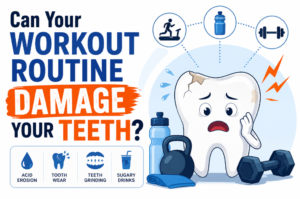
Exercise itself does not damage teeth. In fact, a healthy lifestyle often contributes to better overall wellness, including oral health. The issue arises when certain habits associated with workouts create conditions that increase the risk of tooth decay, enamel erosion, jaw pain, and dental injuries.
Many fitness enthusiasts unknowingly expose their teeth to harmful factors such as dehydration, acidic sports drinks, teeth grinding, and physical trauma. Over time, these issues can lead to noticeable dental problems if left unaddressed.
Dehydration Can Increase the Risk of Tooth Decay
One of the most common side effects of intense exercise is dehydration. During a workout, your body loses fluids through sweat, and if those fluids are not replaced, your mouth can become dry.
Saliva plays an essential role in protecting your teeth. It helps wash away food particles, neutralize acids, and prevent harmful bacteria from multiplying. When saliva production decreases, your mouth becomes more vulnerable to plaque buildup and tooth decay.
Many athletes breathe through their mouths during exercise, which can further reduce moisture levels and contribute to dry mouth. If you frequently experience a dry or sticky feeling in your mouth after workouts, it may be time to pay closer attention to your hydration habits.
Drinking plenty of water before, during, and after exercise can help maintain healthy saliva flow and support better oral health.

Sports Drinks May Harm Tooth Enamel
Sports drinks are often marketed as an effective way to replenish electrolytes and boost performance. While they may have benefits in certain situations, many of these beverages contain high levels of sugar and acid.
The combination of sugar and acid creates an environment where tooth enamel can gradually wear away. Once enamel is damaged, it cannot regenerate, leaving teeth more sensitive and vulnerable to cavities.
Research has shown that frequent consumption of sports drinks can significantly increase the risk of enamel erosion, especially among athletes who sip them throughout the day.
If you regularly consume sports drinks, consider limiting their use to prolonged or particularly intense workouts. Water remains the best choice for hydration in most exercise situations.
Teeth Grinding During Workouts
Many people clench or grind their teeth while lifting weights or performing strenuous exercises. This habit often occurs unconsciously as the body exerts force during physical activity.
Repeated clenching places excessive pressure on the teeth and jaw muscles. Over time, this can lead to:
- Worn tooth surfaces
- Cracked or chipped teeth
- Jaw discomfort
- Headaches
- Temporomandibular joint (TMJ) issues
If you notice jaw soreness after exercising or find yourself clenching your teeth during workouts, it may be worth discussing the issue with a dental professional. A custom mouthguard may help reduce stress on your teeth and jaw.
High-Impact Sports Increase the Risk of Dental Injuries
Contact sports and high-impact activities can put your teeth at risk of injury. Sports such as football, basketball, hockey, martial arts, and even recreational cycling can result in accidental blows to the face.
Dental injuries may include:
- Chipped teeth
- Broken teeth
- Knocked-out teeth
- Soft tissue injuries
- Jaw fractures
A properly fitted mouthguard is one of the most effective ways to protect your teeth during sports participation. Athletes of all ages can benefit from wearing protective dental equipment, especially when participating in activities with a higher risk of facial impact.
At Vue Dental Kyle, many patients are surprised to learn how much protection a professionally fitted mouthguard can provide during athletic activities.
Energy Gels and Fitness Snacks Can Feed Harmful Bacteria
Many runners, cyclists, and endurance athletes rely on energy gels, protein bars, and carbohydrate-rich snacks to maintain energy levels. While these products support athletic performance, they often contain sugars and sticky ingredients that can cling to teeth.
Bacteria in the mouth feed on sugars and produce acids that attack enamel. Frequent snacking during long training sessions can increase acid exposure throughout the day.
To reduce your risk:
- Rinse your mouth with water after consuming energy products.
- Choose lower-sugar options when possible.
- Maintain a consistent oral hygiene routine.
- Avoid letting sugary products remain on your teeth for extended periods.
Small changes can make a significant difference in preserving your dental health.

Mouth Breathing Can Create Additional Problems
Many athletes naturally breathe through their mouths during strenuous exercise. While this helps increase airflow, it can also contribute to oral health issues.
Mouth breathing dries out the tissues inside the mouth, reducing the protective effects of saliva. This environment allows bacteria to thrive and may contribute to:
- Bad breath
- Increased plaque accumulation
- Tooth decay
- Gum irritation
If mouth breathing persists even outside of exercise, it may be linked to nasal congestion or other airway concerns that should be evaluated by a healthcare professional.
Warning Signs That Your Workout Habits May Be Affecting Your Teeth
Certain symptoms may indicate that your fitness routine is impacting your oral health.
Watch for signs such as:
- Increased tooth sensitivity
- Jaw soreness after workouts
- Frequent dry mouth
- Chipped or cracked teeth
- Persistent bad breath
- Visible enamel wear
- Gum irritation
These symptoms should not be ignored. Early intervention can help prevent more serious dental problems and protect your long-term oral health.
How to Protect Your Teeth While Staying Active
Fortunately, you don’t have to choose between fitness and a healthy smile. A few simple precautions can help you maintain both.
Stay hydrated by drinking water regularly throughout your workouts. Limit sugary sports drinks whenever possible and avoid sipping acidic beverages for extended periods.
Wear a mouthguard when participating in contact sports or activities with a risk of facial injury. Pay attention to teeth clenching habits and discuss any concerns with your dentist.
Maintaining regular dental checkups is equally important. Routine examinations can identify early signs of enamel erosion, grinding damage, or other exercise-related dental concerns before they become major problems.
At Vue Dental Kyle, patients receive personalized guidance on protecting their oral health while maintaining active lifestyles.
Final Thoughts
Exercise is an essential part of a healthy life, but certain workout habits can unintentionally affect your teeth. Dehydration, sports drinks, teeth grinding, mouth breathing, and sports-related injuries can all contribute to dental problems over time.
The good news is that most of these risks can be managed with awareness and preventive care. By staying hydrated, protecting your teeth during sports, and maintaining regular dental visits, you can continue pursuing your fitness goals without compromising your smile.
If you have concerns about how your workout routine may be affecting your oral health, the team at Vue Dental Kyle can help you develop a plan to keep your teeth strong, healthy, and protected for years to come.